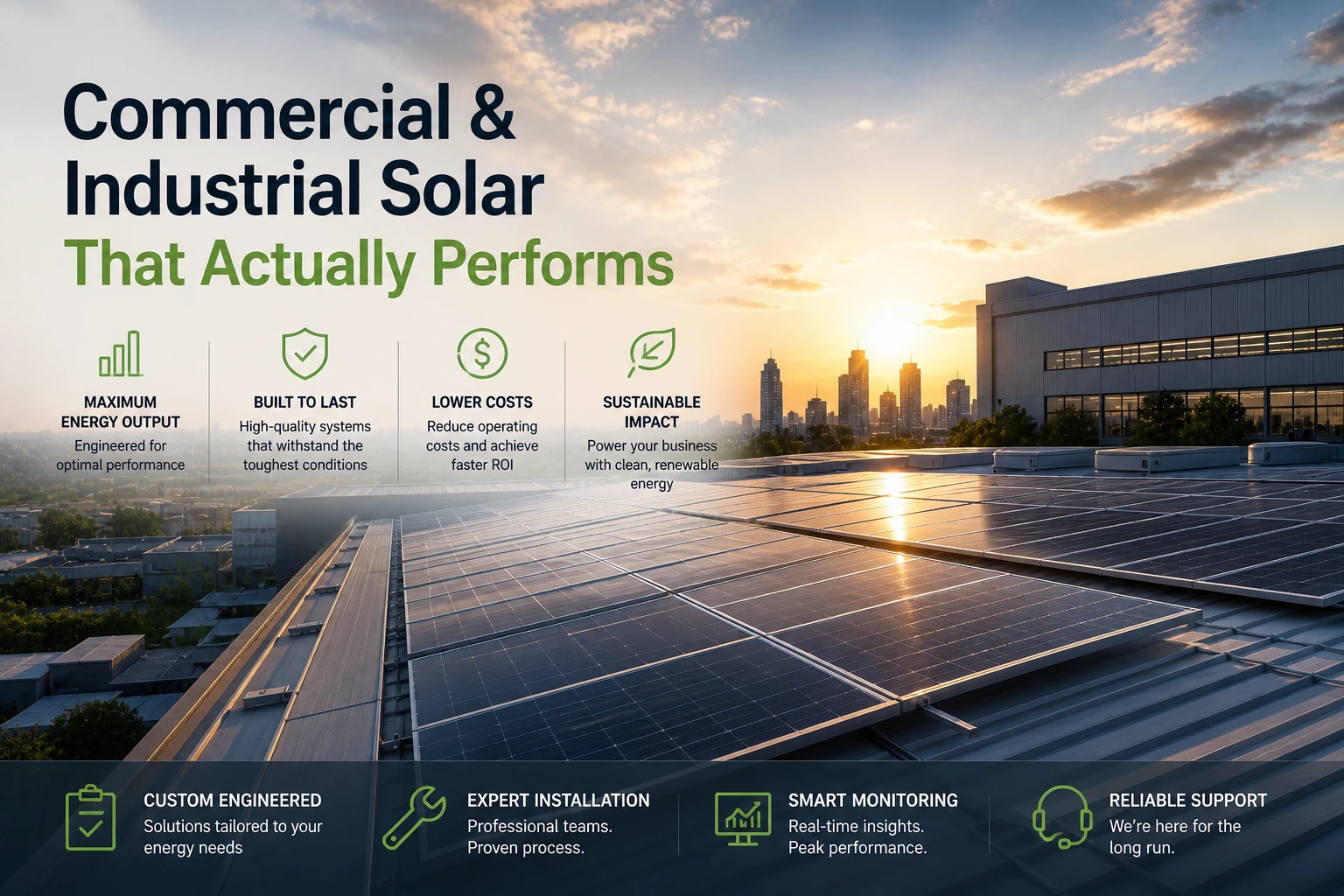

Commercial & Industrial Solar That Actually Performs
Electricity costs don’t usually blow up overnight; they creep up, then suddenly show up as a serious line item that’s hard to control. That’s why more businesses are looking at commercial solar (rooftops, carports, and even larger-scale solar farms).
But if you’ve talked to a few vendors, you’ve probably noticed the same pattern; everyone promises savings, and almost nobody talks about the messy parts that can derail a project.
Why Solar Projects Go Wrong
Most solar disappointment isn’t about the technology, it’s about decisions made early; financing structure, scope definition, accountability, and what happens after commissioning.
Before you choose a direction, here are the friction points to plan for:
Click on to discover how a fullcycle energy team actually delivers results.
Problem 1: Solar Upfront Cost
This is the most common deal-breaker in commercial solar and it’s completely understandable. A great ROI on paper doesn’t always fit the reality of budgets, cashflow or competing capital projects.
The fix is to match the commercial model to your business goals.
Here’s what that looks like in the real world:
To make the choice clearer, here’s a simple comparison:
|
Decision point |
Own it |
Pay for power |
|
Upfront cost |
Higher upfront |
Lower upfront |
|
Asset owner |
Client owns day1 |
Provider owns asset |
|
Best fit |
Asset builders |
Cashflow first |
|
Watch outs |
Procurement, warranties, O&M |
Terms, performance, O&M |
|
O&M setup |
Optional O&M add-on |
Included in service |
Solar projects rarely fall behind because the panels do not work. They fall behind because the job is split across too many hands. One party draws the design, another shops the components, another shows up to install, and suddenly there is no single owner of the timeline.
When something slips, it turns into meetings and emails and finger pointing, and the person left to explain the delay is usually you.
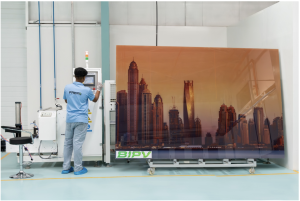
What fixes that in practice is simple accountability. An EPC approach works best when one team is responsible for delivery from start to finish and cannot pass the hard parts to someone else.That is also why groups that can cover more of the chain under one roof tend to move faster.
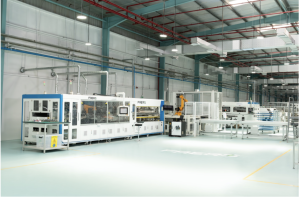
ZAKH Group describes itself as a UAE based renewable energy group operating a fully integrated ecosystem that covers investment, EPC execution, manufacturing, and research and development, with a structure built to deliver end to end solutions from capital allocation and project development to construction, technology production, and innovation.
A solar system can look perfect on day one and still become a quiet problem 6 months later. Not because solar is unreliable, but because performance is an operating outcome.
If monitoring is unclear, if cleaning is treated like an afterthought, if preventive maintenance is not scheduled, and if nobody has committed response times when output drops, you can end up with underperformance that is hard to prove and even harder to fix without conflict.
The practical solution is to treat operations and maintenance as part of the project from the beginning, not something you figure out after handover.
That means you agree up front on what gets monitored, how performance is reported, what preventive maintenance looks like, how faults are handled, and who owns which responsibilities.
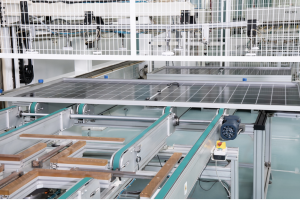
Problem 4: Solar and Storage Stability
For many sites, savings are only half the story. The other half is stability. That can mean managing peak demand, keeping operations running smoothly, or having more control over energy costs that otherwise swing with tariffs and usage patterns. In those cases, a simple solar build is not always enough, even if it is technically correct.
The better approach is to design around how the facility actually uses power, then decide whether solar alone is sufficient or whether a hybrid setup and storage should be part of the answer.
When you think in systems instead of components, the goal shifts from installing the biggest array to building the most reliable energy outcome for that site.
In that sense, the right system is often the one that fits your load profile and your operational priorities, not the one that looks impressive on a brochure.
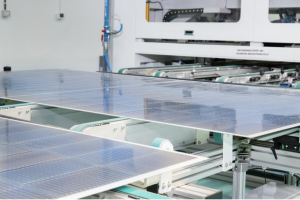
Where ZAKH Fits
ZAKH Group fits projects that need both capital and a delivery team that can carry them to completion.
As a holding and investment group in the energy space, they position themselves as a preferred partner for large, complex renewable builds, with a focus on meeting international standards.
Their mission is bigger than installing solar; they want to support the global shift to a greener future, cut carbon emissions, and deliver sustainable returns for investors.
In practice, they operate through two arms; ZAKH Investment to attract and allocate funding, and Alternative Energy to engineer, procure, and execute across climates and regulations.
Conclusion
Solar can be one of the smartest long–term moves a business makes, but only when it is built around real-world constraints. The money model has to fit. The delivery plan has to have a single owner. The performance plan has to be defined before the system is switched on, not after it starts drifting.
Kotook exists to make that process simpler and more reliable, and to connect you, when you are ready, to trusted partners such as ZAKH Group, which presents itself as an integrated renewable energy ecosystem built to deliver end to end solutions.
See what a fully integrated solar partner can build for you.
FAQs
Is solar worth it if I worry about upfront cost?
Yes. You can choose energy payment models with low upfront and predictable savings.
Can solar improve my power stability, not just savings?
Yes. Solar combined with storage or hybrid systems can improve reliability and peak management.
How do I avoid delays in my solar project?
Work with one accountable EPC partner handling design, procurement, and construction under a single timeline.
Short description
Solar projects move faster when the commercial model is clear and the delivery plan has one accountable owner. The right approach starts with choosing a structure that fits cashflow goals, then defining scope early so responsibilities do not fall through the cracks. For large and complex renewable projects ZAKH Group can be a strong fit. ZAKH operates as a key energy holding and investment group and positions itself as a preferred partner for major renewable developments under high international standards. The mission supports the global shift to cleaner energy, aims to reduce carbon emissions, and targets sustainable returns for investors. Delivery runs through two connected arms. ZAKH Investment attracts funding and allocates capital to viable renewable projects. ZAKH Alternative Energy engineers procures and executes at scale across different climates and legal frameworks. Strategic partnerships support global infrastructure delivery.
Meta title
How to choose ZAKH solar panel model for large energy projects
Meta description
Compare commercial solar panel options, understand project planning, and discover where ZAKH Group fits in large scale renewable energy delivery